Based On
Szondi, L. (1952). Experimental Diagnostics of Drives.
Introduction
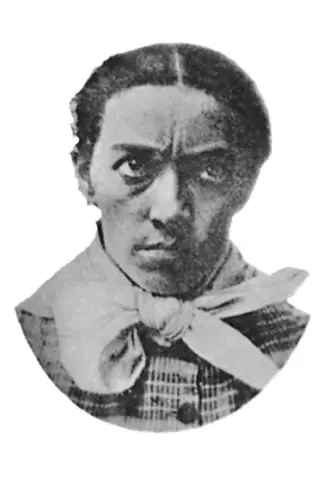
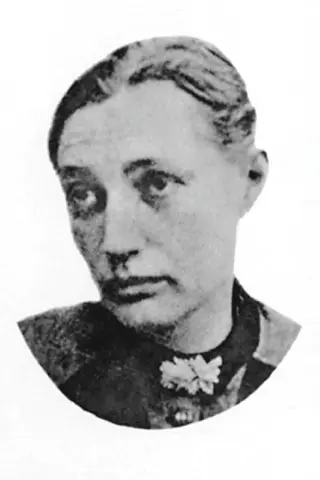
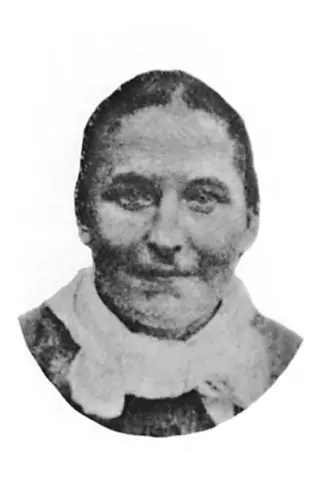
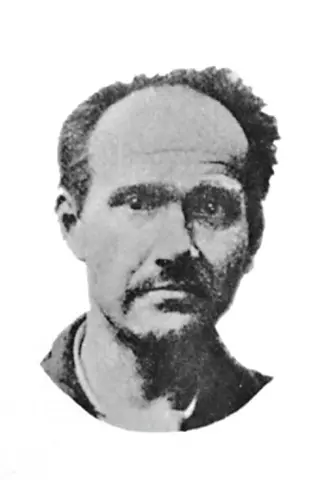
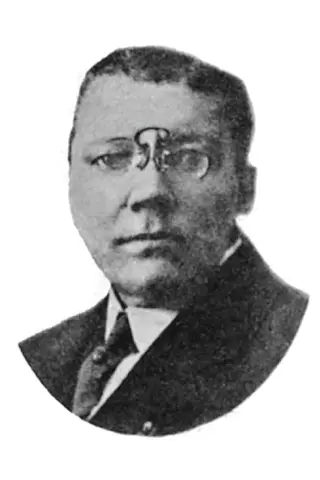
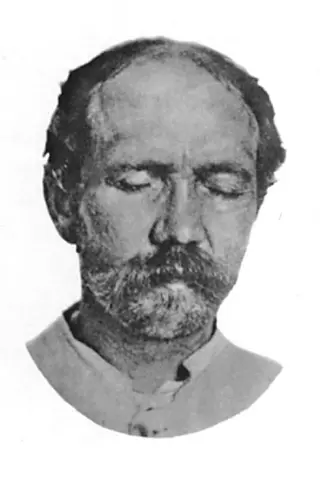
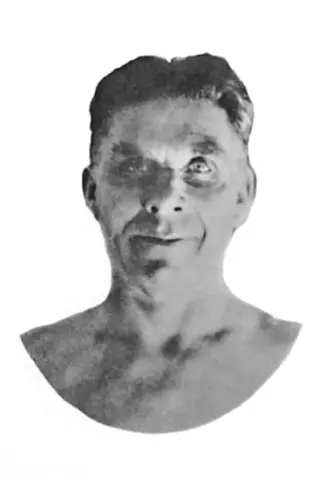
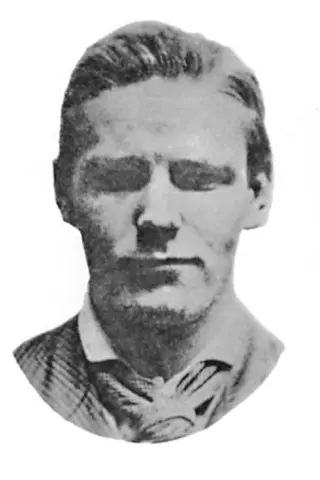
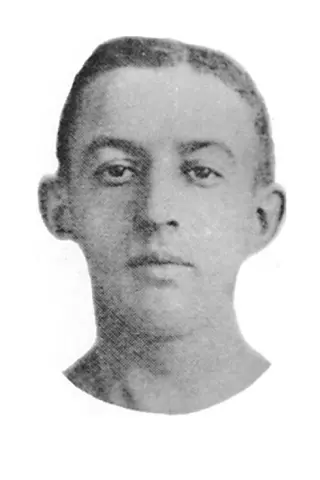
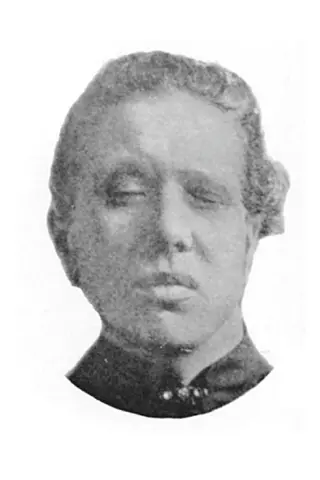
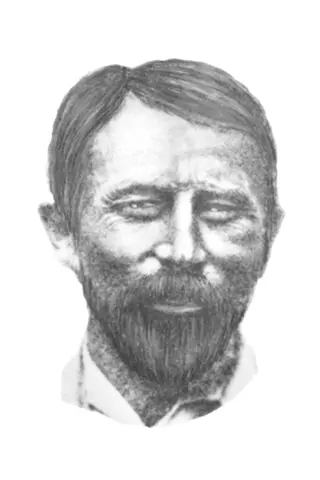
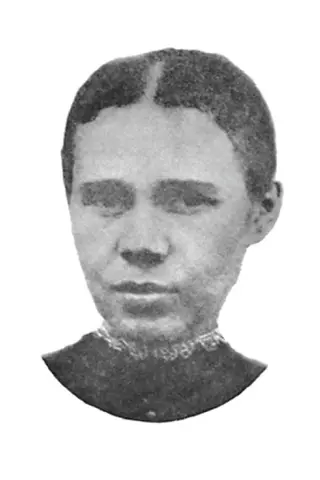
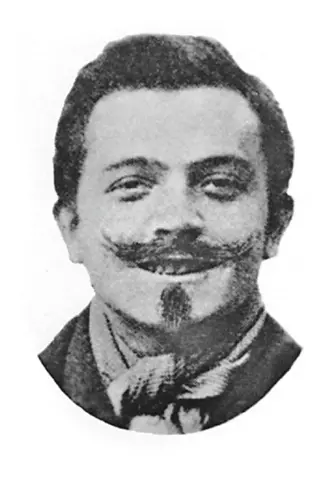
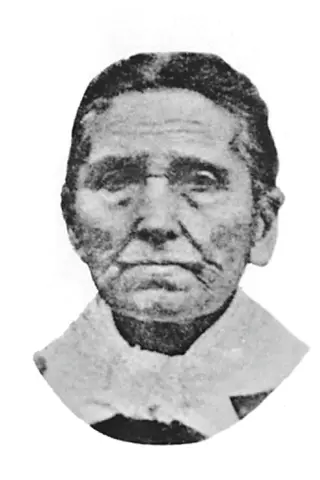
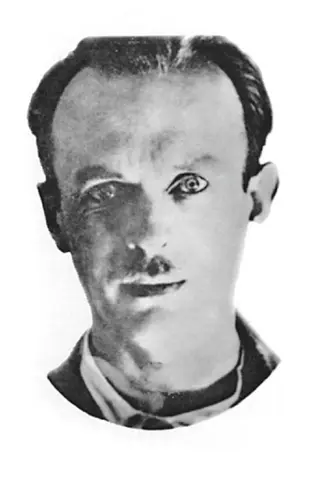
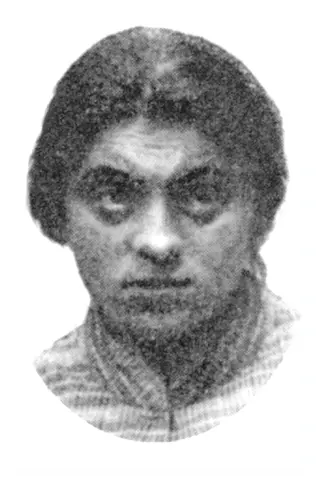
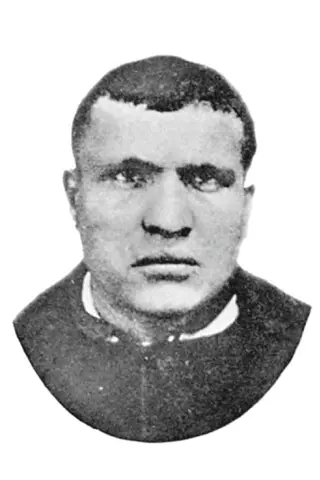
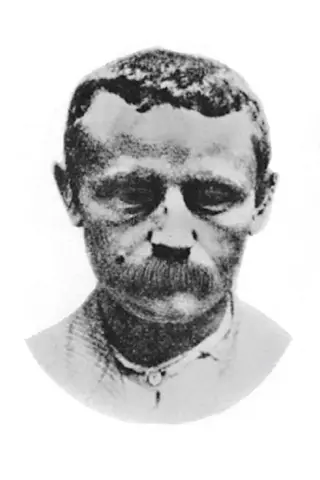
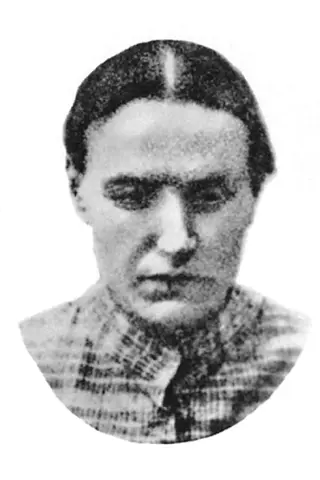
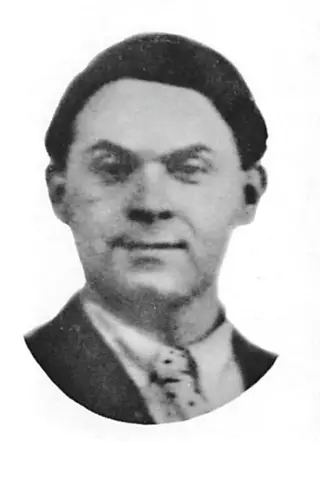
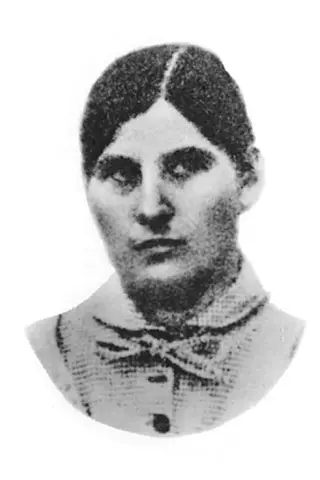
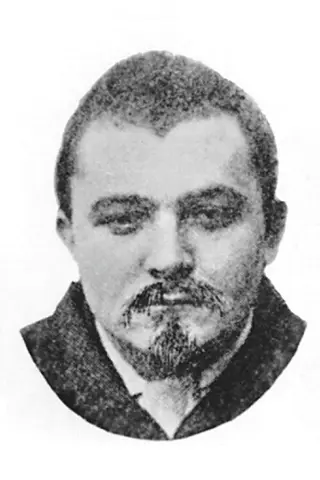
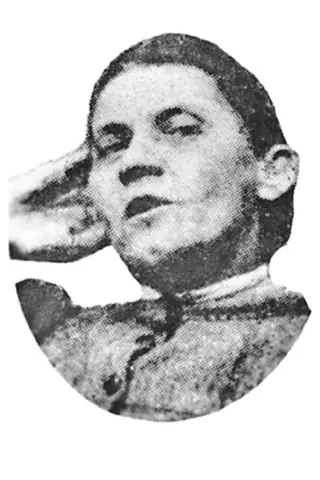
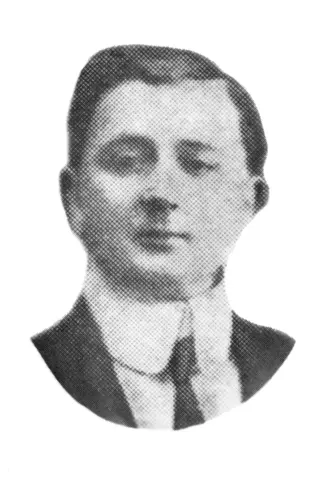
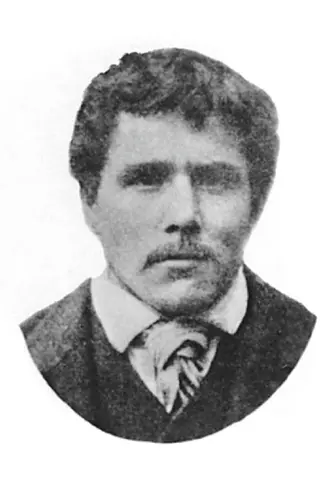
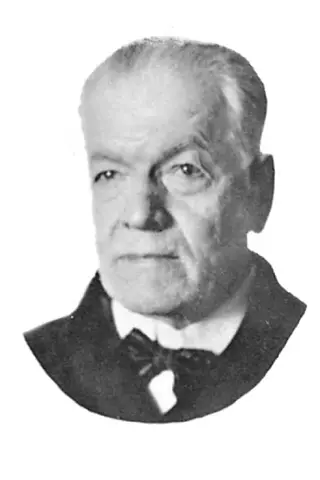
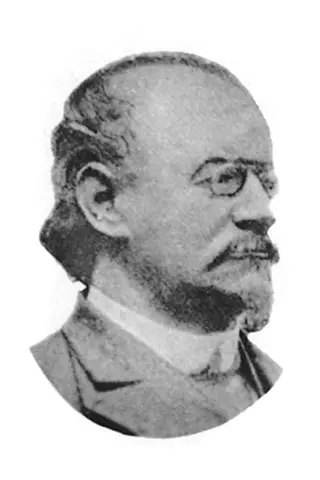
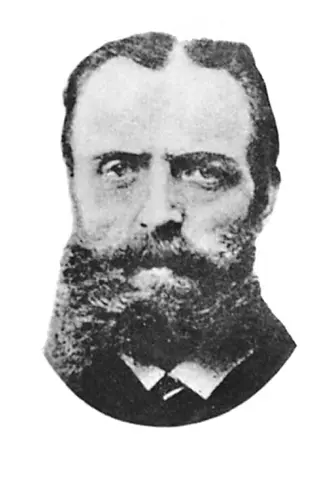
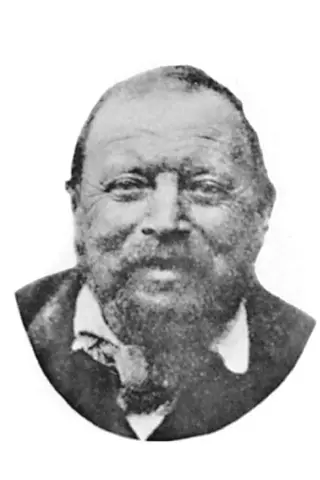
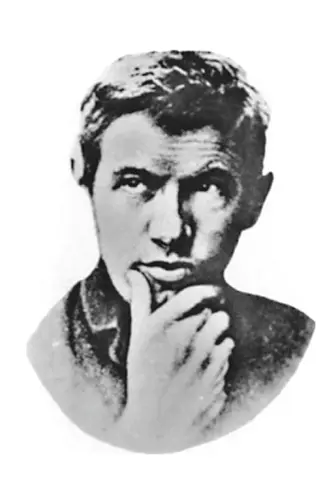
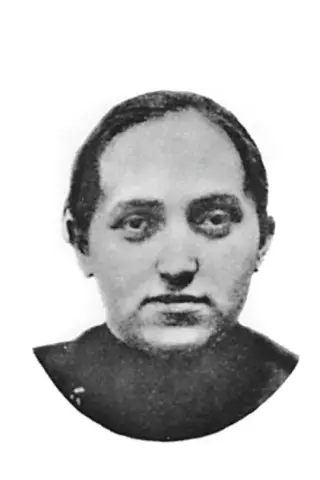
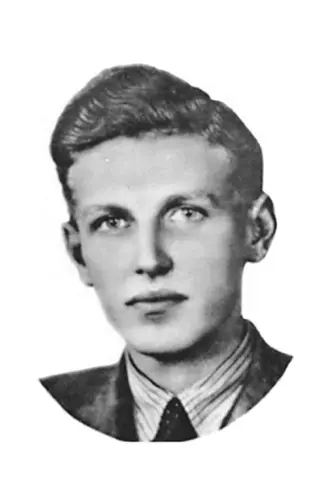
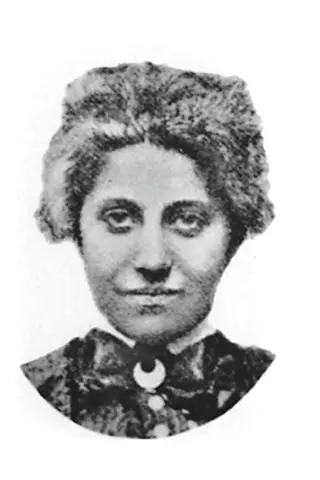
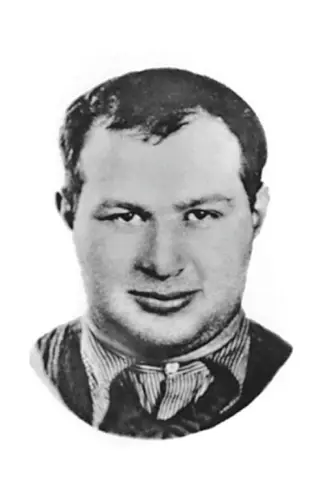
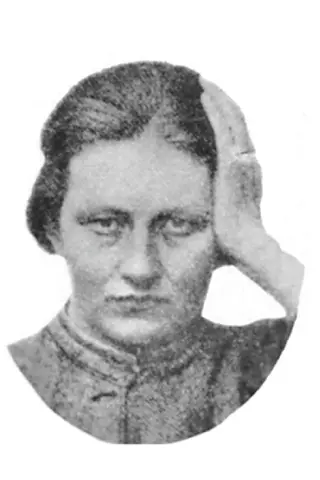
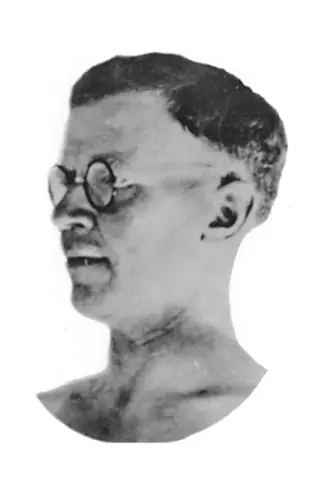
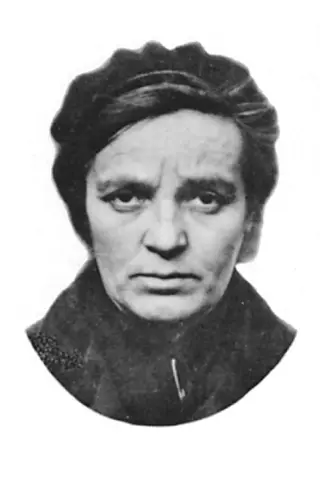
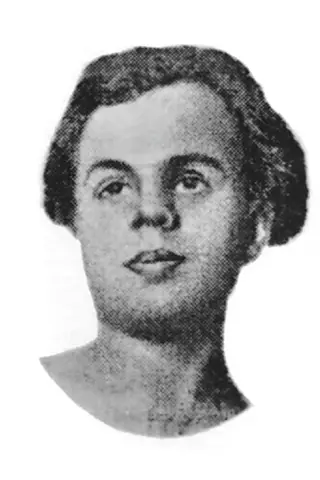
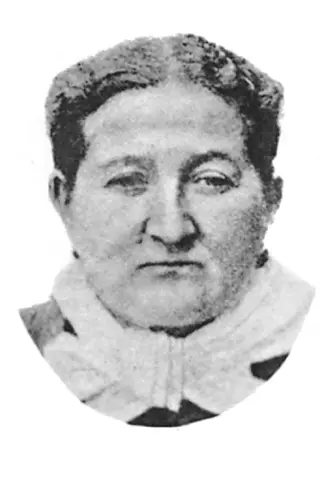
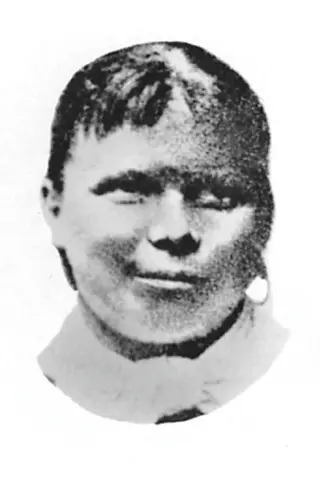
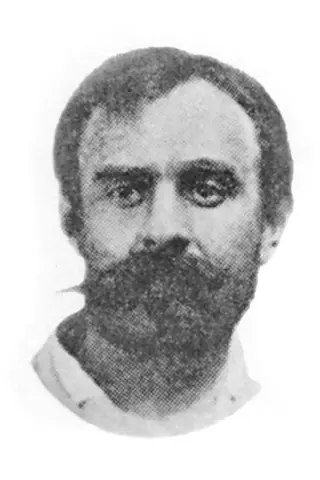
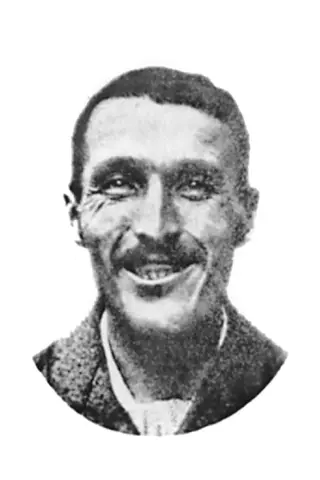
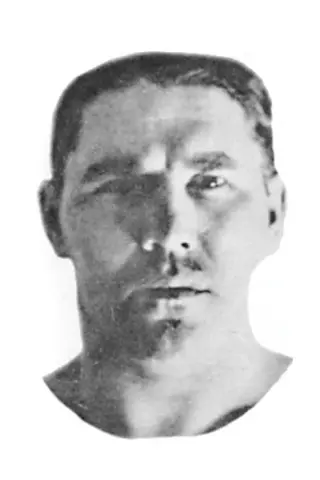
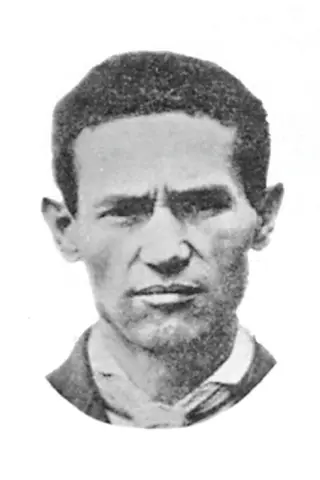
The Szondi Portrait Test is inspired by Leopold Szondi’s drive theory, which proposes that human behavior is influenced by inherited unconscious emotional and instinctual tendencies. This interactive adaptation is designed to explore affective attraction and rejection patterns toward facial expressions representing eight fundamental drive vectors: h (attachment), s (aggression), e (morality), hy (emotional expression), k (fantasy), p (projection), d (attachment-dependency), and m (vitality).
This digital version does not aim to replicate the original clinical Szondi Test but instead provides a structured psychodynamic simulation for self-exploratory and educational purposes. Interpretation is based on response patterns, polarity distribution, and vector tension modeling.
Procedure
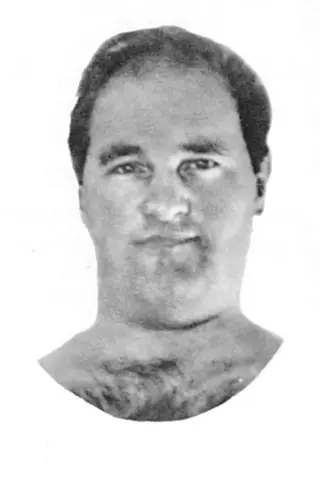
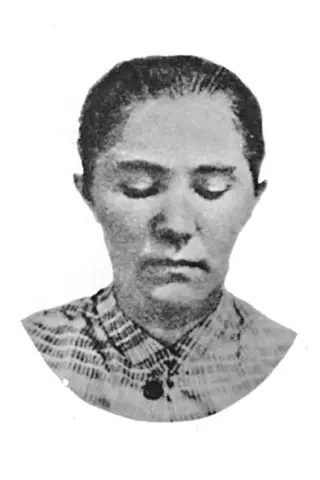
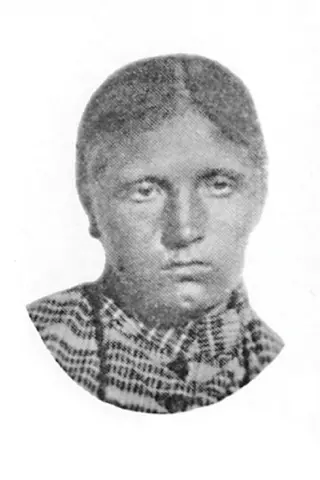
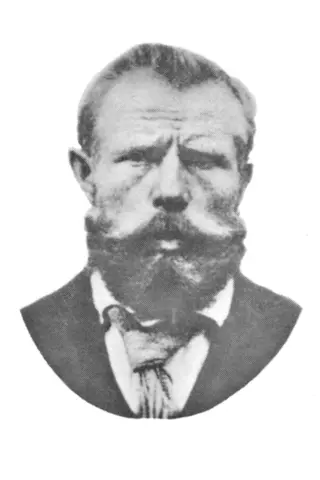
The test consists of multiple sets of facial portrait images. In each set, participants are required to:
- Select two portraits that feel most emotionally appealing
- Select two portraits that feel most emotionally repulsive
Selections are made intuitively without overthinking. The system records emotional preferences and translates them into vector-based psychodynamic profiles. The test typically takes 5–10 minutes to complete.
There are no correct or incorrect responses. Results are generated based on spontaneous emotional choices and are intended for reflective and educational interpretation only.
Participation
This test is designed for adolescents and adults interested in personality exploration, emotional pattern analysis, and psychodynamic self-reflection. It is not a clinical diagnostic tool and should not be used for psychological or psychiatric assessment.
Participation requires honest and instinctive responses to visual stimuli. Users are encouraged to avoid rational analysis during selection to ensure accurate projection-based results.
Change Logs
- v3.0 – Introduction of vector-based scoring system and polarity weighting
- Enhanced emotional tension index calculation
- Improved psychodynamic interpretation structure
- Added ambivalence and repetition detection logic
This version enhances interpretative depth by integrating polarity intensity markers (!, !!), conflict detection, and vector opposition modeling.
Versions & Translations
versions_text_part1 english and german versions_text_part2
Source
L. Szondi. Lehrbuch der Experimentellen Triebdiagnostik. Bern: Verlag Iians Huber, 1960